What do we mean when we say “hand-sewn”?

davidspenceronlineblog's avatarDavid Spencer Casual Footwear

274 grp 1000 web

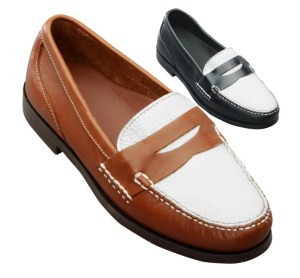
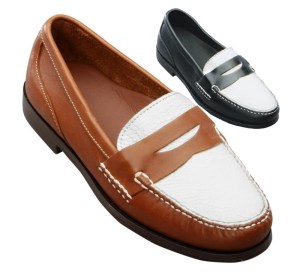
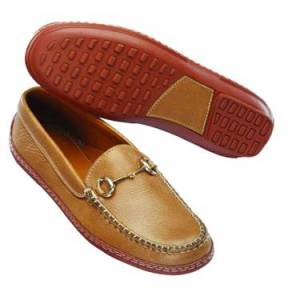
Our casual loafers are all Genuine Hand-sewn “on the last.” The uppers are soaked in water and positioned on the last. The plug and vamp are hand- sewn together while sill wet. The shoe is dried and in the process the leather fibers retain the permanent shape of the last. Stitches on the moccasin are pulled tightly for the detailing.

This is the same process used by most top-tier hand-sewn brands….and you can enjoy your David Spencer Casuals with the knowledge your shoes will serve you well for years and be a great value.

Because they have a full rubber sole I consider the Verona and Milano street shoes.  They have an updated last with a lower profile and a low profile sole.  It is not flat like most drivers are.  There is an inside wedge that functions the same way an outside heel does.  This means they provide all…

View original post 124 more words

Special 4th of July Savings at David Spencer Footwear

image

HeroImage

Enjoy Savings on our Casual Footwear!
We have added new items to the SALE Page!!!

616-30 1000

Visit our sale page and view the LaSalle above and many more at great Savings!

David Spencer Casual Footwear

The Shag

274 grp 1000 web

The History of the Shag

“Shag” has become such a way of life to so many people that it is hard to imagine a time before “Beach Music” and pink shoes.

The History of the Shag

Myrtle Beach, SC

The year? 1945. The place? Ocean Drive in Myrtle Beach, SC. An old beach house has withstood the test of Hurricane Hazel and been converted into a beer joint. Teenagers pack in from one wall to the other on a hard-packed dirt floor. There is a jukebox playing Rhythm & Blues and cold beer is being passed through a hole in a nearby wall. This place was known as “The Pad!” It was slowly upgraded to have wood plank floors and low ceilings. It definitely had the makings of a good Rhythm & Blues club!

“The Pad” would become known as a fortress for “SHAG” to teens in Myrtle Beach, SC…

What is “Shag” you ask? It’s a phenomenal dance craze that started in Myrtle Beach in the 40 and 50’s. Local teens invented the dance step that is most suited to Rhythm & Blues music. But “Shag” is much more than a style of swing dancing, it is a way of life for people from Virginia Beach to Florida! Some may even refer to it as a “religion.”

What is this dance that has gained so much attention?

It is a 6-count, basic pattern dance with East Coast Swing. There is a rearrangement of the footwork that makes it look and feel unique. All the action occurs below the waist, though instructors tend to teach a very standard basic pattern.

True seasoned “Shaggers” take pride in adopting their own versions of the dance, each being distinctive and smooth. Using the balls of their feet and small steps, “Shaggers” manage to perform this very “cool” style of dance to individual perfection!

Not only have the Carolina’s been famous for “Shag,” but they are also home to “Beach Music,” better known as Rhythm & Blues. But as “Shag” has evolved, so has the music. Now “Shaggers” enjoy performing their magic to everything from gospel to music from the big band era (known in the Carolina’s as “Smoothies.”)

This Myrtle Beach “pastime” has become much larger in nature with Shag Clubs popping up everywhere. All of the clubs are members of the Association of Carolina Shag Clubs. The “Shag” has even been declared the official dance of the state of South Carolina!

Today there are major events such as the Grand Nationals in Atlanta where “Shaggers” can show their stuff and compete against the best in the country. “Shag” has even spread internationally to London, Ontario, where it is a favorite for many.

“Shag” has become such a way of life to so many people that it is hard to imagine a time before “Beach Music” and pink shoes. We definitely haven’t seen the last of the heralded “Shagger” or the end of this growing phenomenon!

Deal of the Day

994-53 sole 500 web

The David Saddle

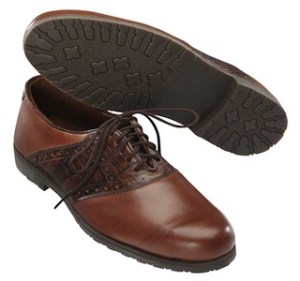
The David Saddle is a classic Balmoral saddle oxford tie. It features leather uppers, full leather lining, cushioned tongue, removable heel to toe cushioned foot bed and a cushioned blown rubber outsole.

Greystone Suede

Regular $169

SALE $79

David Spencer Casual Footwear

Deal of the Day

2005-12 1000jpg

Buffalo Jackson Bison Leather Driving Moccasin

Burnished Indian Tan Bison w/ Mahogany Bison trim. Leather and rubber driving outsole. Genuine Hand-sewn Construction. Cushioned leather insole.

Regular $179.00

SALE PRICE $99

BUY NOW

David Spencer Casual Footwear

Why Bison Leather?

bison animal

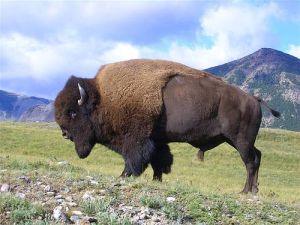
The great American Bison has been a provider of food, housing and clothing to North America’s inhabitants since the Ice Age 300,000 years ago.

Recent tanning innovations on Bison hides has led to new beautiful and unique leathers produced for garments, leather goods and to be sure, footwear! The Bison’s hide fibers are of a bundled nature compared with the parallel fibers found in that of the bovine’s. This unique structure helps footwear to retain its original factory produced shape from one wearing to the next. Footwear will mold to the wearer’s foot and shrink back when put in the closet.

bison1

Imagine, the Bison thrives in climates reaching -50 degrees F in the Dakotas to Arizona where temps can surpass 110 degrees F. The uniqueness of the animal’s hide fiber structure can be directly attributed to this amazing adaptability to varying climates.

The fact that North America’s Bison herds have been increasing at a steady 5% annual rate is certainly heartening – as at the end of the 19th century the total estimated population dropped to a scant 300 head – down from over 10,000,000 a mere 100 years prior. Today the best estimate is over 350,000 head exist in North America. To think that if it had not been for Teddy Roosevelt’s direction to halt the wasteful slaughter/leavening the dead animals out on the prairies for only the vultures , we indeed came close to causing the extinction of the magnificent creature. A creature that can run 40 mph, out maneuver a horse and can jump 6 feet in the air from a standing position!

2001grp web

Why Bison? Besides the fact Bison is”America’s Original Leather”, its blessed hide structure is the best possible for all types of finished leather products – especially for footwear!

2031-grp 1000a

David Spencer Casual Footwear

Deal of the Day

167 grp 1000The Cortez

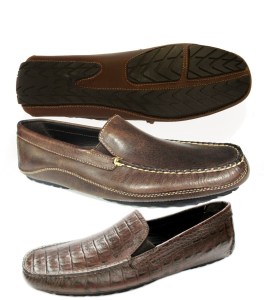
Cortez is perfect dressed up for the office or dressed down with jeans for the weekend. This genuine handsewn driving moccasin features a leather lined forepart on rubber driving outsole.

Leather and Rubber Driving Outsole

167-05 Old Briar Waxy

167-07 Brown Croco Leather

REGULAR PRICE $145

SALE PRICE $79

David Spencer Casual Footwear

Deal of the Day


image

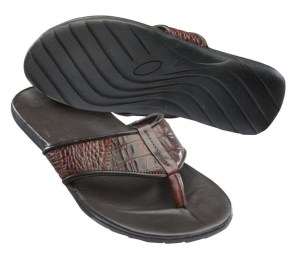
Santiago Sandal by David Spencer

Sport Rust Croco print leather upper, cushioned insole, comfortable, cushioned rubber sole. A distinctive sandal for the country club, gym or casual wear

Regular $69

Sale $49

David Spencer Casual Footwear

Just ask Andy……..

Andy Gilchrist is the owner and driving force behind the most popular and informative web site devoted to men’s clothing – www.askandyaboutclothes.com. When you have been producing a menswear site for over 15 years and receive over 600,000 hits a day you must be doing something right! He is also the author of the best selling guide to dressing, The Encyclopedia of Men’s Clothing.  Ask Andy provides a wealth of information and advise to millions of men on dressing properly and presenting themselves in the best way possible. In addition, Andy has a keen eye for products – particularly new products – that he believes will provide his readers with quality, performance and value. That is why we are honored to have 3 of ours shoes reviewed by Andy himself recently. Below is the review as it appears today on the web site: www.askandyaboutclothes.com.

David Spencer Shoes

AD

I found a great shoe company! Excellent styles at a reasonable price. Perfect for the gentlemen just staring a career or those who want to add to their casual shoe wardrobe!

I acquired three pair from them!

Marco

The Marco (523-10) is a Tan Hand-sewn traditional Penny with hand sewn details and hand sewn on the last for form and fit. Featuring heel to toe removable cushioned foot-bed and a leather sole with rubber flex walking outsole for comfort and traction.
Only $160

horsebit

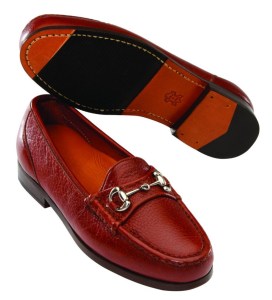
The Tan classic Horse Bit Casual Driving Moccasin (713-10) in Tan Tumbled Leather on Rubber Driving outsole. Only $155

LaSalle
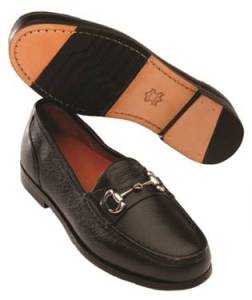
and the LaSalle is a hand sewn tubular moccasin loafer with a Polished Nickel Chrome Bit Tumbled leather (616-20) on a leather and rubber walking outsole.
The black is shown, but I got the Tucson Brown. Only $175

Really great shoes for the investment!
David Spencer Casual Footwear
Quality Updated Classics and Traditional Footwear and Accessories! Your home for the largest selection of DAVID SPENCER/Handcrafted Classics Saddles, Bucks, Genuine Handsewns and Drivers.

David Spencer Casual Footwear

You can’t tell the players without a program!

IMG_1038

What’s Inside a Shoe?

Have you ever wondered what makes a shoe and what all the terms a manufacturer or cobbler use mean? I found this helpful terminology article that the blogger Old Shoe Leather put together as very helpful in understanding all that goes in making a pair of shoes.

Next time you receive a new pair of David Spencer or Buffalo Jackson shoes pull out this guide and take a walkthrough your new pair. A little knowledge goes a long way!

Terminology

Arch:
The padded area of the insole of a shoe, which is designed to support the arch of the foot.
Back Seam:
The vertical seam used to attach the quarters together at the center of the rear of a shoe.
Back Stay:
A short strip of leather that connects the quarters down the back of the shoe.
Collar:
A, sometimes padded, strip of material attached to the topline/opening of a shoe.
Counter:
A stiff piece of material usually made of leather, plastic, cardboard, or other stiff but plyable material that is inserted between the shoe lining and the upper located at the rear of the shoe, just above the heel.
The counter is used to strengthen the rear of the shoe and support the rear heel of the foot. It also helps retain the shape of the shoe. A Heel Counter can also refer to the exterior decoration on the back of a shoe (similar to a toe cap)
Eyelets:
Holes in the upper, above the tongue, where shoe laces are laces. Eyelets may be reinforced with a grommet for less wear on the shoe material. As a side note: The plastic tips on shoe strings are called Aglets.
Facing:
The part of the shoe where the shoelace eyelets are located.
Foxing:
A piece of leather trimming fitted into or on top of the rear quarters.
Gore:
An elastic panel attached to each side of the vamp to make a shoe more comfortable and easier to put on and take off. A Hidden Gore is covered by the tongue of a shoe and provides added comfort.
Heel:
The heel of a shoe, which raises the rear of the shoe, is considered part of the sole of a shoe although is is normally an independent piece of material. There are also names for the various areas of a heel:
      Heel Breast:The area of the heel that faces the front of a shoe, typically located below the rear arch area of the foot.
      Heel Seat:The area of the heel that is attached to the sole of a shoe.
      Heel Tip:Used to refer to the Top Piece of a narrow, high heeled shoe (such as a Stiletto). Heel Tips are usually made of plastic or rubber.
    Top Piece:The area of the heel that contacts the ground. When a shoe is manufactured the heel is attached to the shoe while the shoe is upsidedown, therefore the “bottom” of the heel, when a shoe is placed on a foot, is the “top” when it is being manufactured.
Inseam:
A hidden seam on a shoe attaching the welt, upper, lining and insole.
Insole:
The layer of material that lays on top of the sole inside a shoe, where the bottom of your foot contacts a shoe.
Linings:
A material, usually leather, sheepskin or cloth, that covers the inside of the upper to make a shoe more comfortable.
Mid-sole:
A layer of cushioned material between the innersole and outsole, adding additonal comfort and support to a shoe.
Outsole:
The part of the sole that touches the ground, usually made of leather or rubber.
Plug:
The sewn in vamp on a loafer. Usually defined as a plug if the material or texture is different than the rest of the shoe.
Puff:
Reinforcement inside the upper at the toe of a shoe to give it shape and support.
Quarter:
The back half of the upper. Attached at the front to the vamp, making up both sides of a shoe, and wrapping around the rear of the shoe. On some shoes the vamp and the quarter are a single piece of leather.
Shank:
A rigid material (usually metal or plastic) located between the insole and the sole of the shoe to supply support.
Sole:
The part of the shoe that sits below the wearers foot. The upper and sole make up the entire shoe.
Throat:
The area of the shoe where the top cap ends, or the area where the base of the tongue is attached to the vamp.
Toe cap:
A piece of material that covers the front upper of the shoe. Toe caps can have decorative patterns and shapes, to include wingtip.
Tongue:
A piece of material, usually leather or cloth, sewn into the vamp of a laced shoe, extending between the throat and the waist of a shoe.
Topline:
Also refered to as the Rim or the Collar, it is the top edge of the upper or opening of a shoe.
Upper:
The part of a shoe that covers the entire top, sides and back of the foot.
Vamp:
The part of upper that covers the front of the foot and attaches to the quarter.
Waist:
The area of a shoe between the in-step and arch.
Welt:
The piece of material, or process, used to join the upper to the sole. When the upper and the sole are stiched together, resulting in a visible stiched seam it is referred to as a Goodyear Welt or Norwegian Welt [two different processes] (as opposed to a Blake stitch which is not visible from the top of the shoe).
image

www.davidspenceronline.com